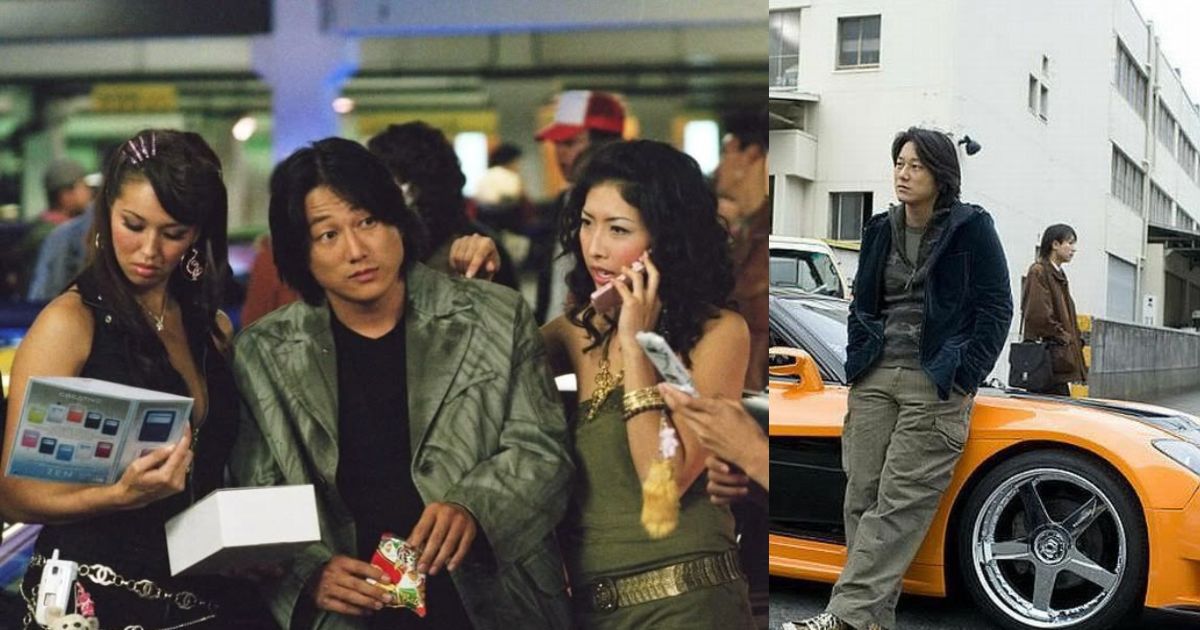
When The Fast and the Furious: Tokyo Drift hit theaters, it was widely viewed as the odd one out in the Fast & Furious saga. With no Dominic Toretto, no Brian O’Conner, and a brand-new lead cast, many fans initially dismissed it as a side project rather than a true sequel. Yet, years later, Tokyo Drift is increasingly recognized as the film that quietly saved the franchise from fading into irrelevance.
At a time when Fast & Furious was at risk of becoming repetitive, Tokyo Drift did something bold: it reinvented the series
1
The Franchise Was Losing Direction
After the success of the original film, expectations were high. However, the early sequels struggled to define what Fast & Furious was supposed to be. The second installment leaned heavily on style, while the absence of core characters created uncertainty about the franchise’s identity.
By the mid-2000s, there was a real risk that Fast & Furious would stall as a short-lived trend rather than evolve into a long-running series. Audiences were changing, and street racing alone was no longer enough to guarantee longevity.
This is where Tokyo Drift mattered most.
A Radical Creative Reset
Instead of repeating familiar formulas, Tokyo Drift shifted the franchise to an entirely new cultural setting. By moving the story to Japan, the film introduced global car culture, underground drifting, and a visual style that felt fresh and authentic.
The focus on drifting wasn’t just a gimmick—it re-centered the franchise around real automotive culture. Racing once again felt technical, dangerous, and grounded, reminding audiences what made the original film compelling.
This reset allowed the franchise to breathe and rethink its future.
Han: The Character Who Changed Everything
One of Tokyo Drift’s most lasting contributions was the introduction of Han, portrayed by Sung Kang. Calm, charismatic, and morally complex, Han quickly became a fan favorite.
At a time when the franchise lacked emotional anchors, Han provided depth without relying on nostalgia. His presence resonated so strongly that later films would retroactively integrate him into earlier timelines—a rare move that highlights how essential he became.
Without Tokyo Drift, Han would not exist—and the emotional texture of later films would be dramatically different.
Proving the Franchise Could Survive Without Its Leads
Perhaps Tokyo Drift’s most important achievement was demonstrating that Fast & Furious didn’t depend solely on a single cast. By succeeding without its original stars, the film proved the franchise itself was the brand.
This realization gave the studio creative freedom. It opened the door to ensemble storytelling, international settings, and rotating character focus—all of which became central to the franchise’s later success.
Ironically, this experiment made it possible for the original cast to return under a stronger, more flexible framework.
The Ending That Reconnected Everything
The film’s closing moment—featuring a surprise appearance by Vin Diesel—re-established continuity and re-ignited interest in the core saga. That brief scene bridged the experimental chapter with the franchise’s roots, signaling that Fast & Furious still had a future.
It wasn’t loud or dramatic, but it was strategic. And it worked.
A Film That Aged Better Than Expected
Initially underestimated, Tokyo Drift has gained appreciation over time. Fans now recognize it as the film that prevented the franchise from becoming stagnant. Its willingness to take risks laid the groundwork for the expansive, global saga that followed.
By reinventing tone, culture, and structure, Tokyo Drift didn’t just survive—it stabilized the franchise at a critical moment.
Final Thoughts
Tokyo Drift didn’t save Fast & Furious with box-office dominance or star power. It saved it through reinvention. By expanding the franchise’s world and proving it could evolve, the film quietly ensured that Fast & Furious would not end as a short-term trend.
Sometimes, survival isn’t loud.
Sometimes, it drifts in quietly—and changes everything.