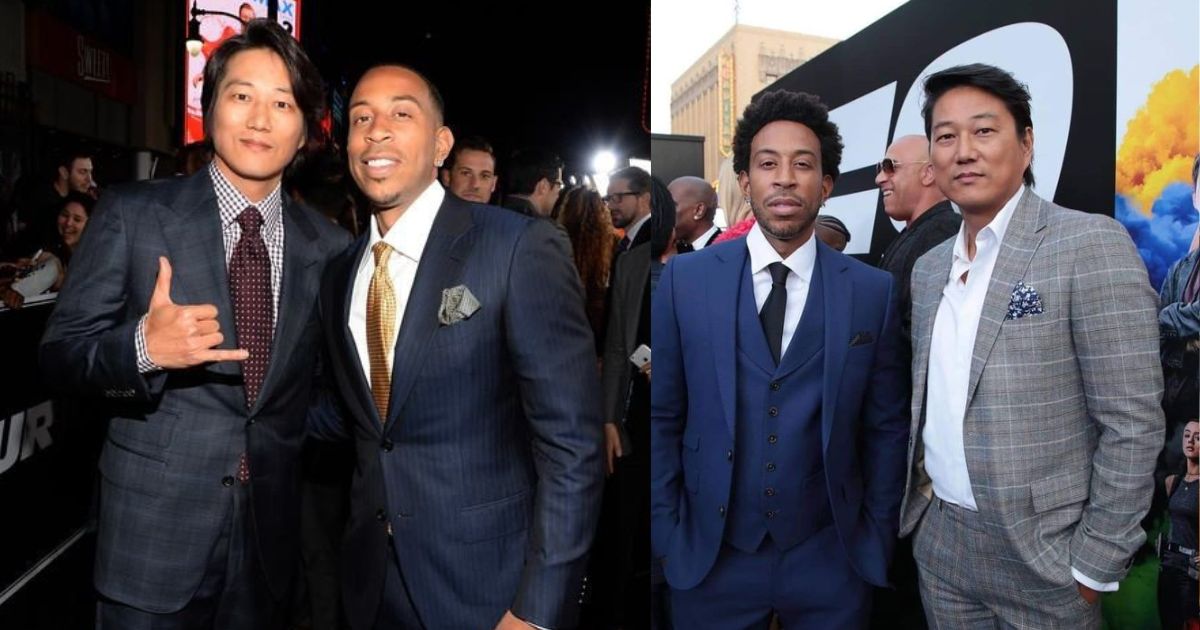
When Han returned to the Fast & Furious saga, it wasn’t just a surprising plot twist—it was an emotional reset that reshaped how fans connected to the series. For years, Han’s absence had lingered like an open wound. His return didn’t simply bring back a popular character; it restored something the franchise had quietly lost: emotional balance.
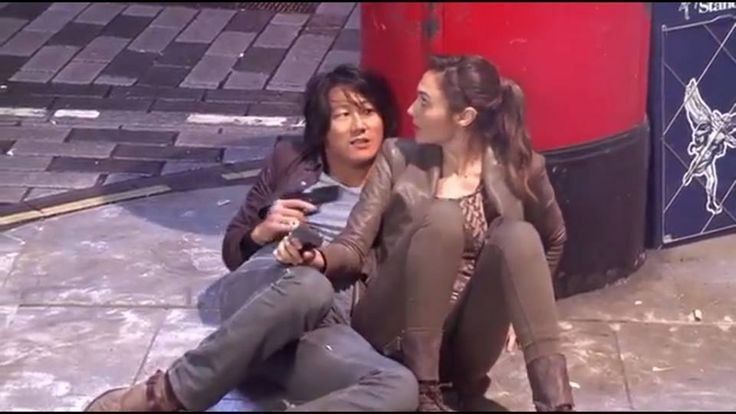
Han Was Never Just a Side Character
Introduced in The Fast and the Furious: Tokyo Drift, Han Lue, played by Sung Kang, stood apart from the typical action archetype. He wasn’t loud or dominant. He was calm, observant, and quietly loyal. In a franchise built on chaos and bravado, Han represented control.

Fans connected to him because he felt real. He embodied the idea that strength doesn’t always need to announce itself. That subtle humanity is what made his loss hit harder than expected.
His Death Felt Final—and Unfair
Han’s death in Tokyo Drift was originally designed to raise stakes, but over time it became a source of unresolved grief within the fanbase. As later films expanded the timeline and deepened the franchise’s emotional themes, Han’s absence felt increasingly out of place.
Unlike other characters who faced dramatic exits, Han never received true closure. His story ended abruptly, without resolution or justice. For fans, that wasn’t tragic—it was unfinished.
This emotional imbalance followed the franchise for years.
The Return Was About Healing, Not Shock
When Han returned in F9: The Fast Saga, the moment wasn’t framed as spectacle. It was quiet, restrained, and intentionally emotional. Instead of rewriting history recklessly, the story focused on reunion and relief.
The most powerful aspect of Han’s return wasn’t the explanation—it was the reaction. Characters didn’t question it aggressively. They embraced it. That response mirrored the audience’s own feelings.
For the first time in years, the Fast family felt whole again.
Why Fans Needed Han Back
Han represented emotional continuity. As the franchise grew bigger and louder, it risked losing its grounding. Han’s presence reintroduced stillness—moments where characters reflected instead of reacted.
His return reminded fans of a simpler era of the saga, when relationships mattered as much as action. That reminder was crucial at a time when the franchise was pushing its limits.
In many ways, Han became a bridge between the grounded past and the exaggerated present.
A Quiet Rejection of Meaningless Loss
By bringing Han back, the franchise made a subtle statement: not every loss needs to be permanent to be meaningful. In a genre that often equates seriousness with death, Han’s return challenged that idea.
It suggested that emotional payoff can come from restoration, not just sacrifice.
For longtime viewers, this felt like respect—not just for Han, but for their emotional investment.
What Han’s Return Changed Going Forward
After Han’s return, the tone of the franchise shifted slightly. The films leaned more openly into reunion, forgiveness, and emotional acknowledgment. It wasn’t about undoing the past—it was about correcting imbalance.
Han’s presence re-centered the idea of family as something that protects, not just something that mourns.
Final Thoughts
Han’s return changed everything because it healed a fracture fans had lived with for years. It wasn’t about logic or timelines—it was about emotion.
By bringing Han back, Fast & Furious reminded audiences why they cared in the first place. Not for the stunts. Not for the scale.
But for the people who made the ride worth taking.