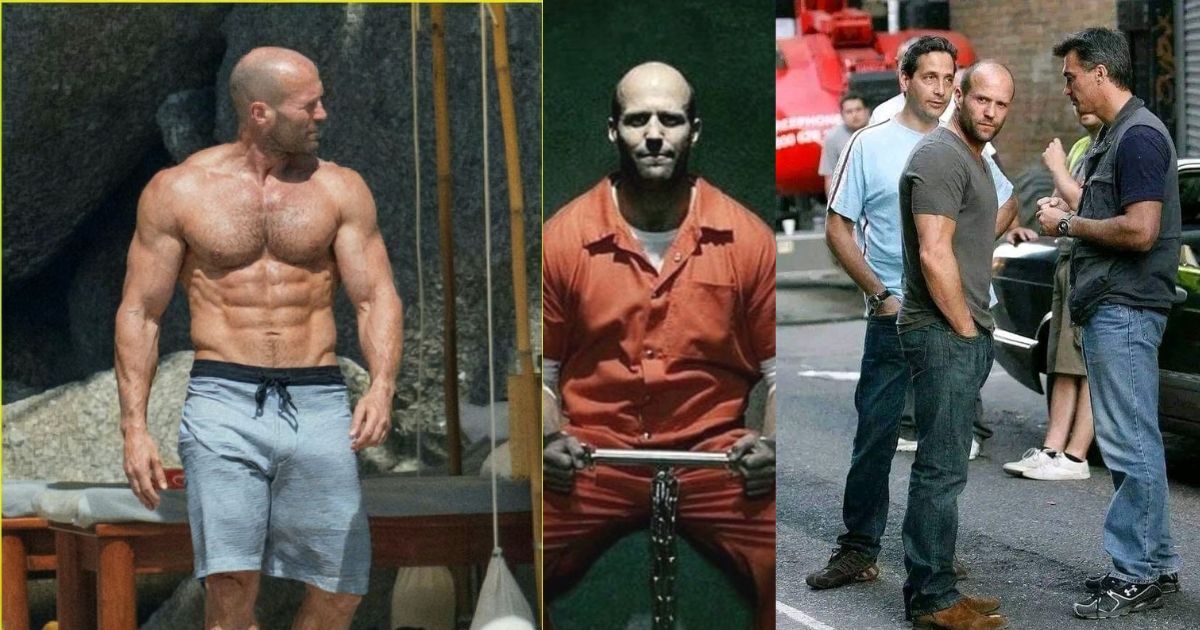
Why Jason Statham’s Character Was Almost Removed From the Fast & Furious Franchise
When Jason Statham joined the Fast & Furious universe as Deckard Shaw, his impact was immediate and intense. Introduced as a ruthless, highly skilled antagonist, Shaw brought a darker edge to the saga—one that thrilled some fans but deeply unsettled others. Behind the scenes, that reaction sparked serious debate, and at one point, the franchise nearly decided to remove his character altogether.
The reasons weren’t about Statham’s performance. They were about tone, morality, and whether Shaw could ever truly belong in a series built on loyalty and family.
A Villain Who Felt Too Real
Deckard Shaw’s full debut in Furious 7 positioned him as more than a standard blockbuster bad guy. He wasn’t chasing money or power; he was exacting revenge, targeting the core group directly. His actions were personal, calculated, and devastating.
https://www.youtube.com/embed/ZIO_9mjHR8A
For longtime fans, this crossed a line. Previous antagonists often found redemption because their conflicts felt circumstantial. Shaw’s, by contrast, felt intimate and irreversible. The audience response reflected that discomfort: praise for Statham’s intensity mixed with resistance to the idea that Shaw could ever become an ally.
That reaction mattered. The Fast & Furious saga relies heavily on emotional buy-in, and early feedback suggested that welcoming Shaw into the “family” might fracture that trust.

The Franchise’s Moral Dilemma
At its heart, Fast & Furious has always followed a moral code: loyalty is rewarded, betrayal has consequences, and family is sacred. Shaw complicated that code. His actions made forgiveness feel unearned, and internal discussions reportedly questioned whether keeping him would undermine the series’ values.
Writers and producers faced a tough choice. Removing Shaw would preserve moral clarity but sacrifice a compelling, globally popular character. Keeping him risked alienating fans who felt the franchise was moving too fast toward redemption.
For a time, Shaw’s future appearances were genuinely uncertain.
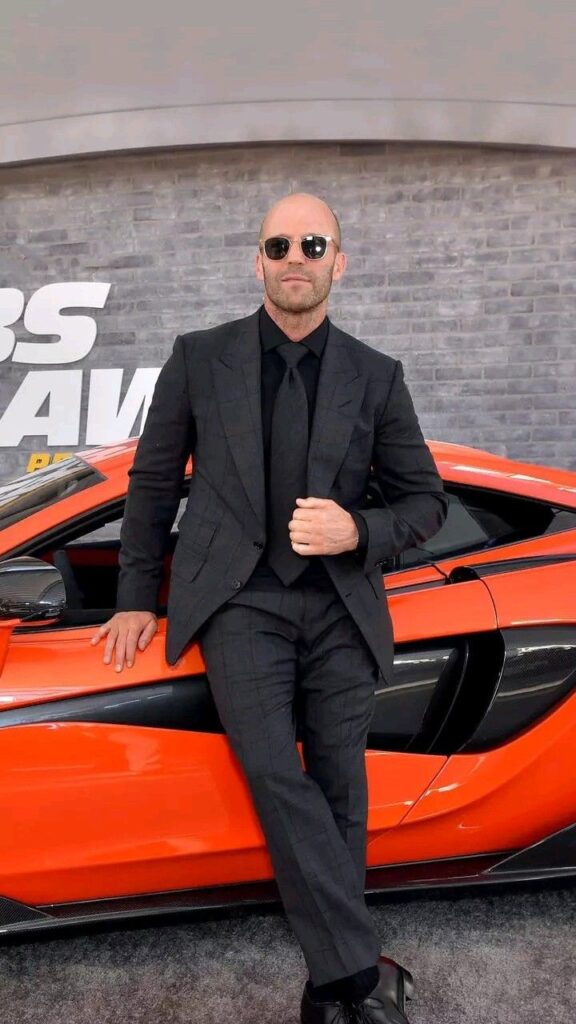
Why Removing Shaw Wasn’t Simple
Despite the controversy, there were strong reasons to keep Deckard Shaw. Jason Statham brought international star power, particularly appealing to UK and European audiences. His grounded, physical fighting style contrasted with the franchise’s increasingly large-scale spectacle, adding texture to the action.
From a storytelling standpoint, Shaw also represented something new: unresolved tension. He didn’t fit neatly into hero or villain categories, and that ambiguity gave the saga room to explore more complex relationships.
The challenge became finding a way to keep Shaw without rewriting his past.
The Compromise That Saved the Character
Instead of forcing a full redemption, the franchise chose restraint. Shaw was repositioned as a reluctant ally—useful in specific situations but never fully absorbed into the emotional core. This allowed the story to acknowledge his past without excusing it.
The approach paid off. Audiences gradually accepted Shaw’s presence because the films didn’t pretend his actions were forgotten. He remained sharp-edged, self-interested, and morally complicated.
That balance was further refined in Fast & Furious Presents: Hobbs & Shaw, which reframed Shaw in a separate context. Humor, family dynamics, and rivalry softened his image without forcing forgiveness from the main crew.
Support From Franchise Leadership
Franchise leader Vin Diesel reportedly supported keeping Statham involved while protecting the saga’s emotional integrity. The solution wasn’t erasure—it was evolution. Shaw didn’t become a hero overnight; he became layered.
Final Thoughts
Jason Statham’s character was almost removed from Fast & Furious because Deckard Shaw challenged the franchise’s moral foundation. By choosing nuance over convenience, the series avoided a simple fix and embraced complexity.
Today, Shaw stands as proof that the saga can grow without abandoning its core values. He survived not because the franchise ignored its rules—but because it found a smarter way to follow them.