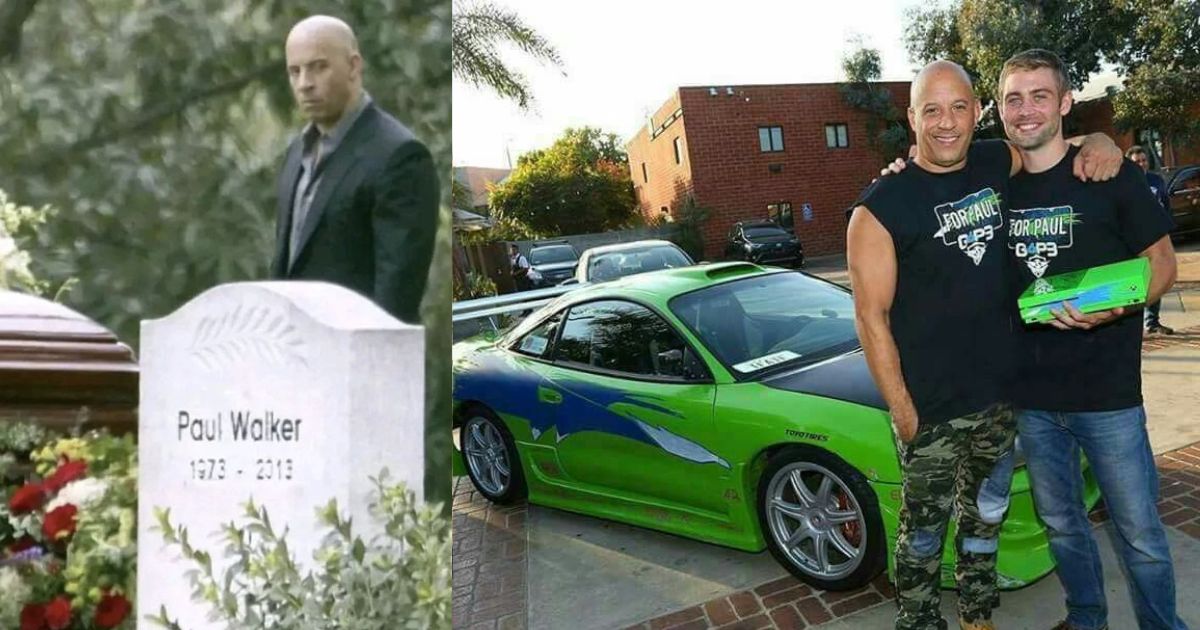
More than a decade after his passing, Paul Walker remains one of the most emotionally significant figures in modern blockbuster cinema. While many franchises move on quickly after losing a central star, the Fast saga chose a different path — one rooted in respect, restraint, and remembrance. As a result, Paul Walker’s story within the world of Fast & Furious feels intentionally unfinished, and for millions of fans, that unfinished quality is exactly what makes it so powerful.
This is not a story about absence. It is a story about legacy.
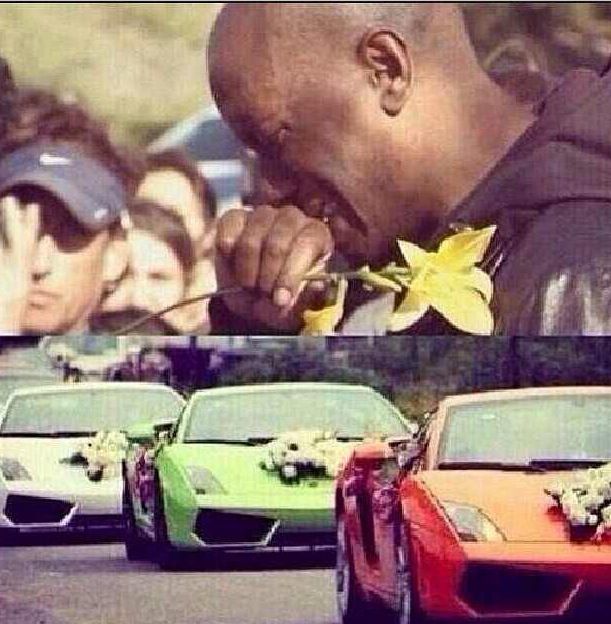
Brian O’Conner: The Heart of the Franchise
From the very first film in 2001, Brian O’Conner was the audience’s gateway into the Fast universe. Unlike Dominic Toretto, Brian wasn’t introduced as a mythic figure or underground legend. He was human, conflicted, and learning — just like the viewers watching him.
As portrayed by Paul Walker, Brian balanced law enforcement duty with personal loyalty, ultimately choosing family over authority. That internal struggle gave the franchise emotional depth long before it became known for global missions and extreme action.
Over time, Brian evolved from an undercover cop into a trusted brother, husband, and father. His journey mirrored the franchise’s transformation, making him essential to its emotional continuity.

The Tragedy That Changed Everything
Paul Walker’s death in 2013 shocked the world and halted production on what would become Furious 7. At that moment, the franchise faced a challenge few blockbuster series ever encounter: how to continue a story after losing one of its pillars.
The filmmakers could have written Brian out abruptly or replaced him. Instead, they made a deliberate and deeply respectful choice — to let Brian live on within the story, even if he could no longer appear on screen.
This decision shaped everything that followed.
An Ending That Wasn’t Really an Ending
The final scene of Furious 7 is now regarded as one of the most emotional moments in blockbuster history. Rather than killing off Brian, the film shows him choosing a quieter life — stepping away from danger to focus on his family.
This wasn’t just a narrative decision; it was a statement.
By allowing Brian to “retire,” the franchise preserved Paul Walker’s dignity and gave fans closure without finality. Brian didn’t disappear. He simply drove down a different road.
That creative choice ensured Paul Walker’s story would remain unfinished — intentionally open-ended, forever part of the saga.
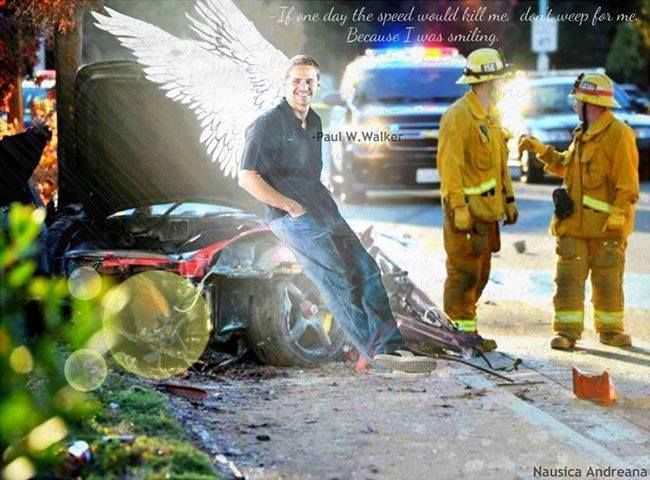
Why the Story Had to Remain Unfinished
Ending Brian O’Conner’s story completely would have meant erasing the future he earned. Throughout the franchise, Brian repeatedly expressed his desire for a normal life, one centered on family rather than danger.
Letting him live off-screen honored that arc.
More importantly, it allowed fans to imagine Brian still existing in the Fast universe — raising his children, staying connected to Dom, and remaining part of the family even when unseen.
This approach transformed absence into presence, something rare in long-running franchises.
Vin Diesel and the Promise to Paul Walker
Franchise star and producer Vin Diesel has spoken openly about the responsibility he feels toward Paul Walker’s legacy. For Diesel, Brian O’Conner is not just a character; he represents the soul of the franchise.
Diesel has consistently stated that the Fast saga cannot truly conclude without honoring Brian’s role. This belief explains why later films continue to reference Brian respectfully rather than ignoring him.
These references aren’t meant to tease or manipulate emotion — they serve as reminders that family doesn’t disappear just because someone isn’t present.
How the Franchise Kept Brian Alive Without Exploitation
Since Furious 7, the franchise has followed a careful rule: acknowledge Brian, but never exploit his memory.
Dialogue mentions, subtle nods, and off-screen explanations have kept the character integrated into the story. The films make it clear that Brian is still part of the family — simply choosing to stay away from danger.
This restraint has earned widespread respect from fans, many of whom feared the franchise might misuse Paul Walker’s legacy.
Instead, the opposite happened. The absence became meaningful.
Why Fans Still Feel the Loss So Deeply
Paul Walker wasn’t just a star of the franchise — he grew alongside it. Many fans discovered Fast & Furious in their teens or early adulthood, making Brian O’Conner part of their own life timeline.
Watching the films today isn’t just about entertainment; it’s about memory. Each reference to Brian carries emotional weight because it connects viewers to a time when the franchise felt different — more grounded, more personal.
That emotional bond explains why fans continue to discuss Paul Walker’s unfinished story years later.
The Unfinished Story as a Strength, Not a Weakness
In most storytelling, unfinished arcs are considered flaws. In the case of Paul Walker and the Fast saga, the opposite is true.
The lack of a definitive ending allows the character to exist beyond the screen. Brian O’Conner is not confined to a final scene or dramatic death. He lives in the imagination of the audience — a rare and powerful form of storytelling.
This open-ended legacy is why fans still feel connected to the franchise on an emotional level.
What the Final Chapter Represents
As the Fast saga moves toward its conclusion, Paul Walker’s presence looms larger than ever. Not because he will return physically, but because his influence shaped everything the franchise became.
The final chapter is expected to honor that legacy — not through spectacle, but through acknowledgment.
For many fans, the true ending of Fast & Furious isn’t about the last race or final mission. It’s about closing a story that never fully ended.
Final Thoughts
Paul Walker’s unfinished story in the Fast saga is not a gap — it is a tribute. By choosing not to complete Brian O’Conner’s journey, the franchise preserved something far more meaningful than a traditional ending.
It preserved respect.
In a world where franchises often prioritize continuation over closure, Fast & Furious made a rare choice: to let a character live on, unseen but never forgotten.
And that is why Paul Walker’s story still matters — and always will.