
Among countless explosions, impossible stunts, and high-speed chases, there is one quiet moment in the Fast & Furious franchise that continues to break hearts across the world. It doesn’t rely on fast cars or dramatic dialogue. Instead, it ends with a simple farewell — a moment that turned a blockbuster film into an emotional memory shared by millions.
That scene is the final sequence of Furious 7, created as a tribute to Paul Walker, and it remains one of the most emotional endings in modern cinema.
A Franchise Known for Action — Not Tears
For years, Fast & Furious was known primarily for adrenaline-fueled entertainment. Street races, daring heists, and globe-trotting missions defined the series. Emotional moments existed, but they were rarely the focus.
That changed forever with Furious 7.
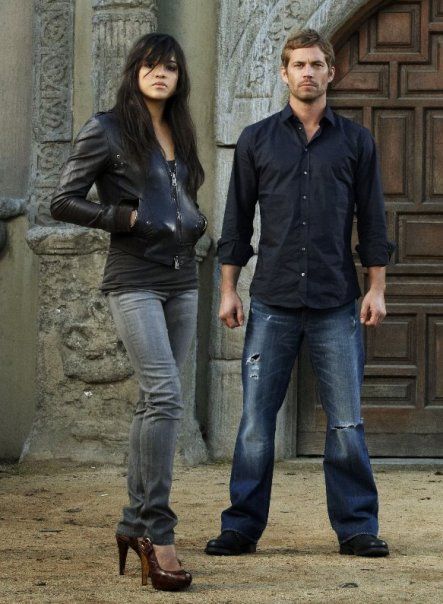
Midway through production, Paul Walker tragically passed away in 2013. His death didn’t just affect the cast and crew — it deeply impacted fans who had grown up watching him portray Brian O’Conner. Suddenly, the franchise faced an impossible question: how do you finish a movie when you’ve lost one of its pillars?
The answer came not through spectacle, but through sincerity.
The Scene That Changed Everything
The final scene of Furious 7 unfolds slowly. Dominic Toretto, played by Vin Diesel, and Brian O’Conner drive side by side on a quiet road. There’s no mission, no danger — just two friends sharing one last ride.
As the cars approach a fork in the road, Brian turns away, choosing a different path. The moment is accompanied by the song See You Again, which plays softly as real behind-the-scenes footage of Paul Walker appears on screen.
No words are spoken. None are needed.
For audiences worldwide, the message was clear: this wasn’t just Brian leaving the story — it was Paul Walker being gently remembered.
Why This Scene Hits So Deep
The emotional power of this scene lies in its authenticity. It doesn’t feel scripted. It feels personal.
Fans aren’t just watching a character exit a franchise; they’re witnessing a real goodbye. The separation between fiction and reality disappears, replaced by shared grief and gratitude.
What makes it even more powerful is restraint. The filmmakers avoided melodrama. There’s no dramatic speech, no exaggerated farewell. Instead, the moment trusts the audience to feel.
That trust is why the scene still resonates years later.
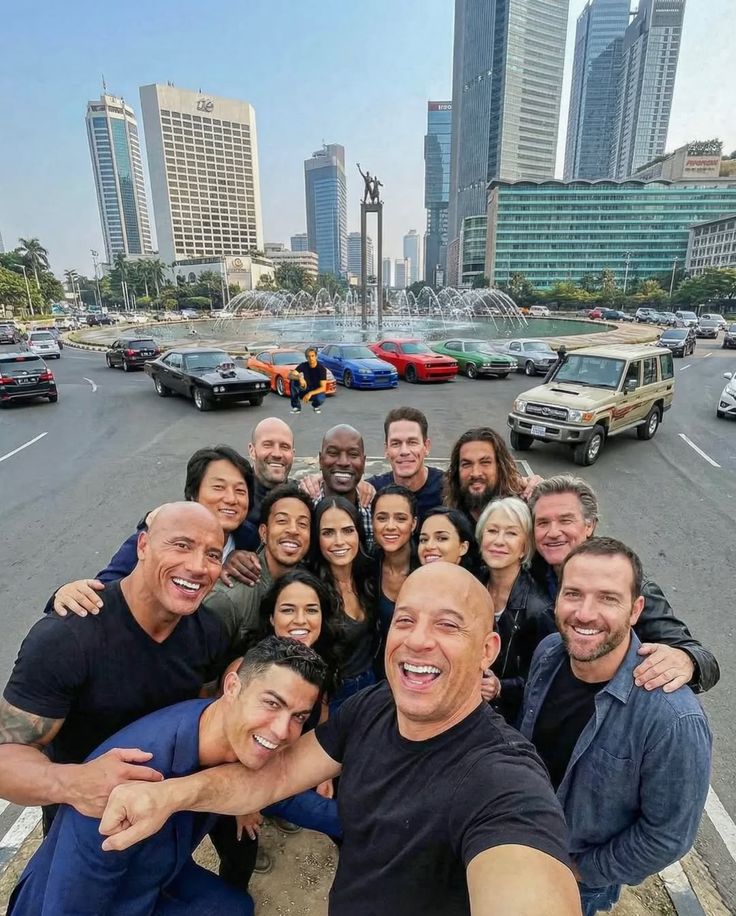
Brian O’Conner Was More Than a Character
From the very first film, Brian O’Conner was the audience’s connection to the Fast & Furious world. He wasn’t the loudest or most aggressive character — he was human, conflicted, and relatable.
Over time, Brian evolved from an undercover cop into a family man, mirroring the franchise’s shift toward its central theme: family above all else.
When Brian drove away in Furious 7, it wasn’t abandonment. It was closure — a respectful way to let the character live on without forcing his absence.
For fans, that mattered deeply.
The Song That Became a Global Farewell
The impact of the scene was amplified by its soundtrack. See You Again became more than just a movie song — it turned into a global tribute.
Across cultures and countries, fans associated the song with loss, remembrance, and connection. It played at memorials, tributes, and personal moments of grief far beyond the film itself.
Few movie soundtracks have ever transcended their original context so completely. The song and the scene became inseparable — one reinforcing the emotional weight of the other.
A Rare Moment of Collective Emotion
What makes this scene unique is how universally it affected people. Regardless of age, language, or background, audiences responded in the same way — silence in theaters, tears during credits, and lingering emotion long after the film ended.
Social media quickly filled with tributes. Fans shared stories of how Fast & Furious had been part of their lives for years. For many, Paul Walker wasn’t just an actor — he was a symbol of an era.
That collective emotional response is rare in blockbuster cinema.
How the Franchise Handled the Farewell Respectfully
Rather than recasting or digitally recreating Brian for shock value, the filmmakers chose dignity. Brian’s character was written as someone who chose family life — a decision that felt true to his journey.
Since then, the franchise has continued to acknowledge Brian’s presence subtly, without exploiting it. Dialogue references and respectful nods have kept his memory alive without overshadowing the story.
This careful approach has been widely praised by fans and critics alike.
Why Fans Still Cry Years Later
Even today, rewatching the ending of Furious 7 triggers the same emotional response. That’s because the scene isn’t tied to novelty — it’s tied to memory.
It reminds viewers of:
- Growing up with the franchise
- The bond between characters
- The reality that some goodbyes are final
In a genre often focused on excess, this moment stands out for its honesty.
A Scene Bigger Than the Franchise
The farewell scene transcended Fast & Furious. It became a benchmark for how franchises can handle loss with grace.
It proved that action films don’t need to sacrifice emotion, and that audiences appreciate sincerity even more than spectacle.
For Vin Diesel and the cast, the scene was a promise — that Paul Walker’s legacy would never be forgotten.
Final Thoughts
Out of all the high-speed chaos the Fast & Furious franchise has delivered, its most powerful moment came when everything slowed down.
The final scene of Furious 7 still makes fans cry worldwide because it wasn’t just acting. It was real emotion, shared openly with the audience.
In that quiet fork in the road, Fast & Furious found something rare — a moment of truth.
And that is why, years later, fans still can’t watch it without tears.